 Business License

Beyond Power Generation: How the PV Sunflower Blossoms in the Urban Jungle
We often frame the conversation around renewable energy in terms of megawatts and carbon offsets—cold, hard metrics for a planet in crisis. But what if our solutions could do more? What if they could not only extract energy from nature but also give back to it, healing our environment in both function and form?
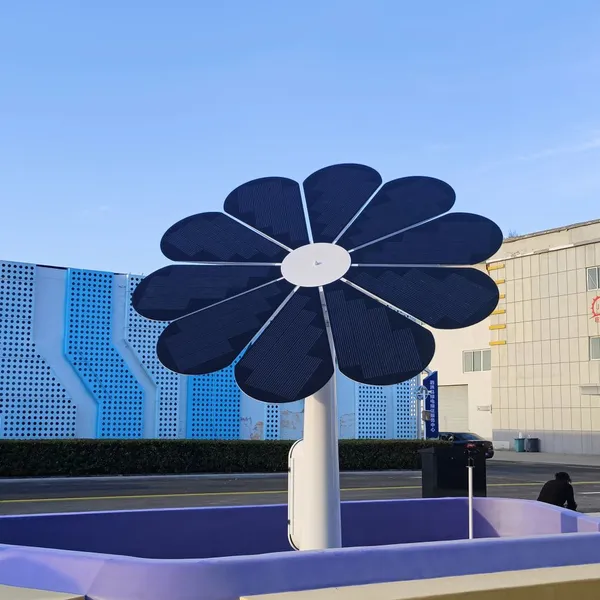
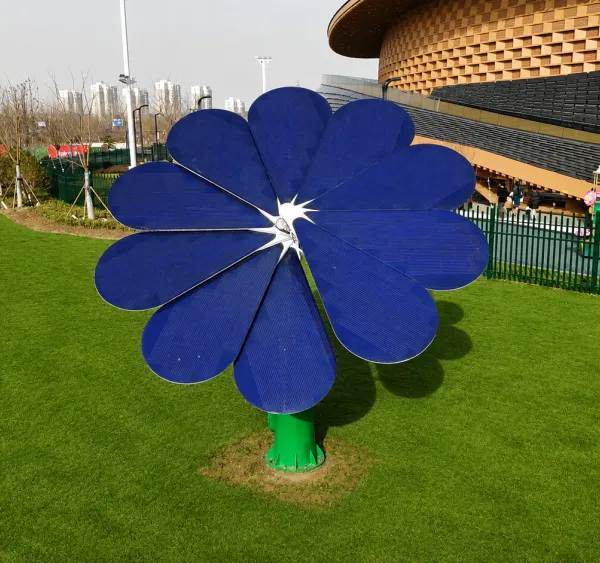
Enter the PV Sunflower. It’s a marvel of engineering, yes. But look closer, and you’ll see it’s something far more profound: a seed of wildness, deliberately planted to make our concrete landscapes bloom again.
From Sterile Steel to Living EcosystemTraditional solar farms are often just that—farms. Functional, monolithic, and sterile. They create energy dead zones where little thrives beneath the panels. In cities, standard solar panels are bolted onto rooftops or carports, invisible and disconnected from the daily lives of the people below.
The PV Sunflower challenges this paradigm by its very design. Its elegant, petal-like structure isn't just for show; it’s a fundamental re-imagining of how technology can occupy space. Instead of dominating the landscape, it mimics it.
The Art of Camouflage: Blending the Manufactured with the OrganicThe true genius of the PV Sunflower lies in its biomimicry. By choosing the form of a sunflower—a universal symbol of life, positivity, and natural energy—it speaks a visual language we are all hardwired to understand and appreciate.
A Familiar Silhouette: Against the harsh right angles of skyscrapers and steel bridges, the soft, rotating curves of the PV Sunflower provide a visual respite. They break the monotony of the "concrete forest" by introducing an organic, familiar shape. It doesn’t look like a machine intruding on a park; it looks like a native species that has always belonged there.
Creating Micro-Habitats: The installation of a PV Sunflower often involves more than just a single unit. Deployed in groups, they can form a grove—a "solar garden." The space beneath and around these elevated petals is not sealed off. It remains open, allowing for the planting of native grasses, wildflowers, and shrubs. This creates a critical micro-habitat for urban wildlife: pollinators like bees and butterflies find a new refuge, and birds and small mammals are offered shelter.
The Gift of Shaded Space: In sun-drenched urban plazas, the petals provide dappled shade much like a tree canopy. This creates cooler micro-climates below, reducing the "heat island" effect common in cities and making these spaces more enjoyable for people. This shaded ground also retains moisture better, supporting the plants growing there and fostering a self-sustaining patch of ecology.
A Symbol for a New SymbiosisThe impact of the PV Sunflower is more than ecological; it’s psychological. It serves as a constant, visible reminder of a new contract between humanity and nature—one based not on extraction, but on symbiosis.
It demonstrates that the future of urban living doesn’t require us to hide our sustainable infrastructure. Instead, we can celebrate it, turning the necessities of clean energy into public art that educates and inspires. It makes the abstract concept of a "green future" tangibly beautiful.
Conclusion: Planting the Seeds of TomorrowThe PV Sunflower is more than a power generator. It is a statement. It proves that the path to sustainability doesn’t have to be ugly, sterile, or separate from the natural world. By weaving technology into the fabric of our environment through organic design, we can begin to rewild our cities.
We can replace dead space with living ecosystems and cold machinery with warm, familiar forms. We can build a world where clean energy doesn’t just power our homes, but nourishes our souls and the fragile ecosystems we are a part of. One solar flower, blooming in the heart of the urban jungle, can start that change.
Recently Posted
-
Eos² Smart Solar Carport: The Future of Solar Parking Has Arrived
June 30, 2026When you think of solar carports, you probably picture a simple metal structure with solar panels bolted on top. Static. Functiona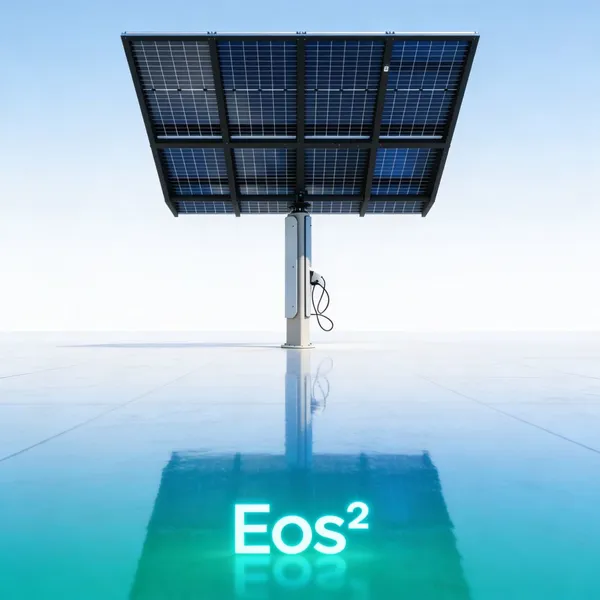 Read More
 -
Boost Your Brand with SmartBrella: The Solar Umbrella That Combines Sustainability, Advertising, and
September 5, 2025In an era where sustainability meets smart technology, the SolShare™ SmartBrella is redefining what it means to enjoy the outdoors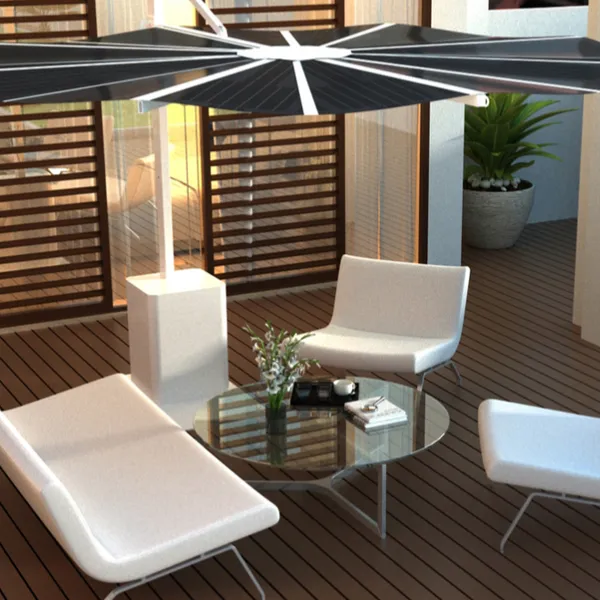 Read More
 -
Blooming Power: How Solar Flowers Are Cultivating a Greener Public Consciousness
September 5, 2025In the heart of our cities, a quiet revolution is taking root—not in labs or policy meetings, but in public parks, plazas, and tra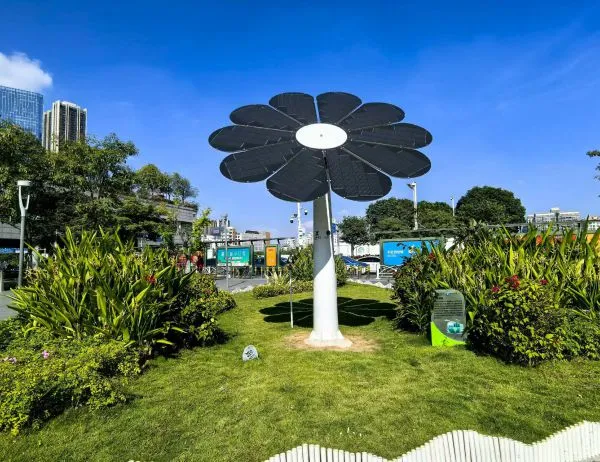 Read More
 -
How Solar Innovations Are Reshaping Urban Landscapes
September 3, 2025From Concrete Jungles to Solar-Powered Smart CitiesCities consume over two-thirds of the world’s energy, and with urbanizatio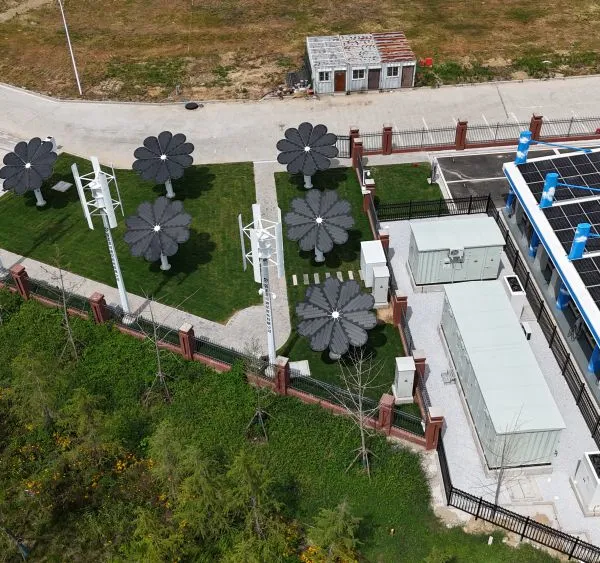 Read More

Contact Us
Recommended Products
-
 Wanze Energy Solar Sunflower 1200/2400W Dual-Axis Sun-Tracking Photovoltaic Power Generation SystemUS$ 7500 - 8700MOQ: 1 Set
 -
Wanze Energy 2000W Solar Sunflower Three-Axis Sun-Tracking Photovoltaic Power Generation SystemUS$ 11875 - 12200MOQ: 1 Set
-
Wanze Energy Smart Dual Axis Solar Tracker Carport 5.2kWp Integrated EV Charging Station With 10kWh Battery Storage for Commercial Parking LotsUS$ 3686.73 - 16958.93MOQ: 1 Unit
-
Wanze Energy Dual Axis Solar Tracking System Smart PV Tracker for Residential Commercial Utility Solar ProjectsUS$ 2570 - 2600MOQ: 1 Unit
-
Wanze Energy Solar Carport With EV Charging Station - Customizable PV Car Park Structure, Factory PriceUS$ 3300 - 4150MOQ: 1 Set