 Business License

How Solar Innovations Are Reshaping Urban Landscapes
Cities consume over two-thirds of the world’s energy, and with urbanization accelerating, the pressure to adopt sustainable solutions has never been greater. Traditional solar panels on rooftops are no longer enough—today’s urban spaces demand smarter, more adaptable solar innovations that blend seamlessly into architecture, infrastructure, and even public art.
From solar-integrated buildings to self-powered streetlights, photovoltaic technology is evolving beyond static panels. One of the most exciting trends? Solar installations that serve multiple purposes—generating clean energy while enhancing urban functionality and aesthetics.
1. Solar Beyond Rooftops: The Rise of BIPV and Dual-Use StructuresBuilding-Integrated Photovoltaics (BIPV) are transforming skyscrapers into vertical power plants. Instead of bolting solar panels onto existing structures, architects now embed photovoltaic materials directly into glass facades, windows, and even roofing tiles.
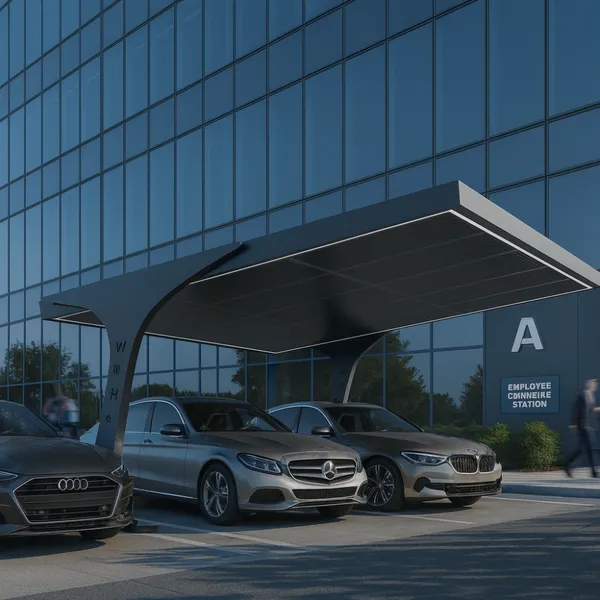
But what about spaces that aren’t buildings? Parking lots, sidewalks, and public plazas are often overlooked energy hubs. This is where solar carports and solar canopies come in—structures that provide shade, shelter, and electricity simultaneously.
Case in Point: PV Carports – The Future of Smart ParkingImagine a parking lot that doesn’t just shield cars from the sun but also powers nearby buildings or EV charging stations. Wanze Energy’s modular PV carports do exactly that:
✔ Weather-resistant design – Built to withstand heavy snow, wind, and rain.
✔ Seamless EV integration – Solar energy directly charges electric vehicles.
✔ Scalable & customizable – Ideal for commercial complexes, campuses, and public parking.
Unlike traditional carports, these structures turn underutilized spaces into renewable energy generators, making them a smart investment for cities aiming for carbon neutrality.
2. When Solar Meets Art: The Aesthetic RevolutionSolar technology doesn’t have to be an eyesore—in fact, it can be a statement of modern design. Cities like Barcelona, Singapore, and Dubai are incorporating solar sculptures, kinetic sun-tracking installations, and energy-generating public art into their landscapes.
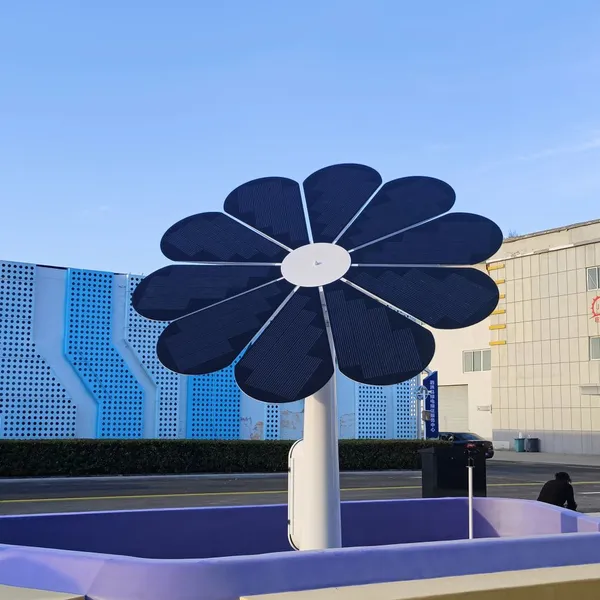
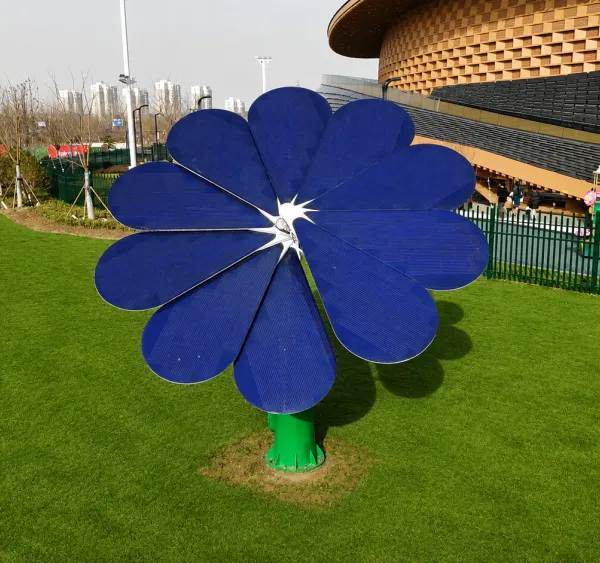
The PV Sunflower: Where Efficiency Meets EleganceOne standout innovation is the PV Sunflower, a solar tracker that mimics nature’s most efficient energy harvester—the sunflower. Unlike static panels, these dynamic systems:
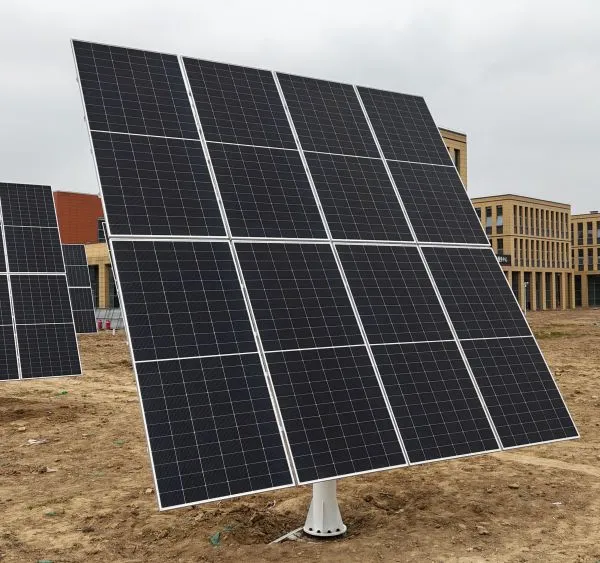
Rotate to follow the sun, boosting energy yield by up to 40% compared to fixed panels.
Fold into “sleep mode” during extreme weather, preventing damage.
Integrate lighting & storage, functioning as all-in-one off-grid power stations.
Perfect for parks, corporate campuses, and smart city plazas, PV Sunflowers prove that renewable energy can be both high-performance and visually striking.
3. The Road Ahead: Smarter, More Adaptive Solar CitiesThe next wave of urban solar innovation will likely focus on:
AI-optimized energy management – Smart grids that balance solar generation with real-time demand.
Modular solar infrastructure – Plug-and-play systems for rapid deployment.
Multi-functional designs – Structures that provide power, shelter, and connectivity (e.g., solar Wi-Fi benches).
As cities strive for net-zero emissions, solar technology must evolve beyond mere energy production—it must enhance livability, resilience, and urban beauty.
Final Thought: Solar as a Seamless Urban FeatureThe cities of tomorrow won’t just use solar energy—they’ll live and breathe it. From PV carports that power EVs to sun-tracking solar flowers that double as public art, the line between infrastructure and energy generation is blurring.
The question is no longer "Should cities adopt solar?" but rather "How creatively can we integrate it?"
Recently Posted
-
Eos² Smart Solar Carport: The Future of Solar Parking Has Arrived
June 30, 2026When you think of solar carports, you probably picture a simple metal structure with solar panels bolted on top. Static. Functiona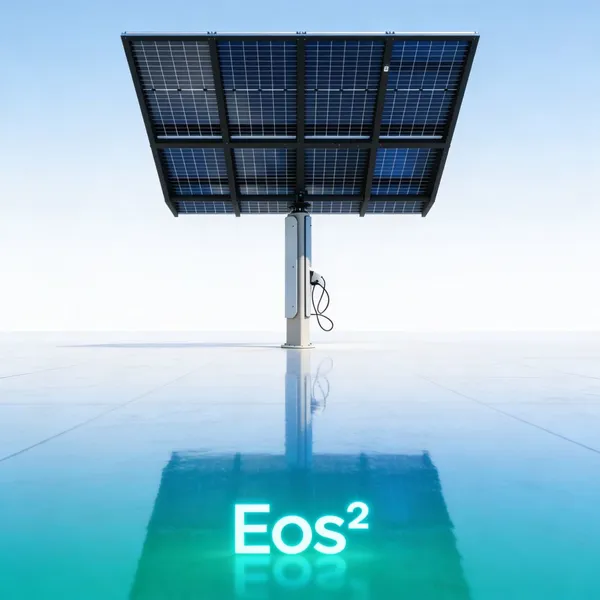 Read More
 -
Boost Your Brand with SmartBrella: The Solar Umbrella That Combines Sustainability, Advertising, and
September 5, 2025In an era where sustainability meets smart technology, the SolShare™ SmartBrella is redefining what it means to enjoy the outdoors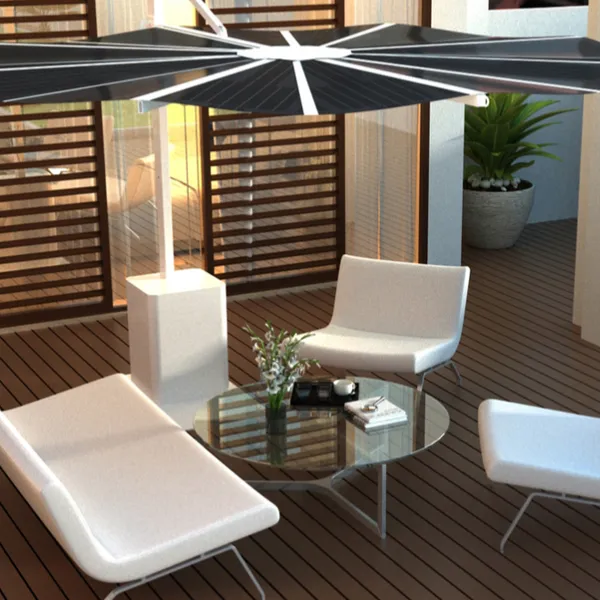 Read More
 -
Blooming Power: How Solar Flowers Are Cultivating a Greener Public Consciousness
September 5, 2025In the heart of our cities, a quiet revolution is taking root—not in labs or policy meetings, but in public parks, plazas, and tra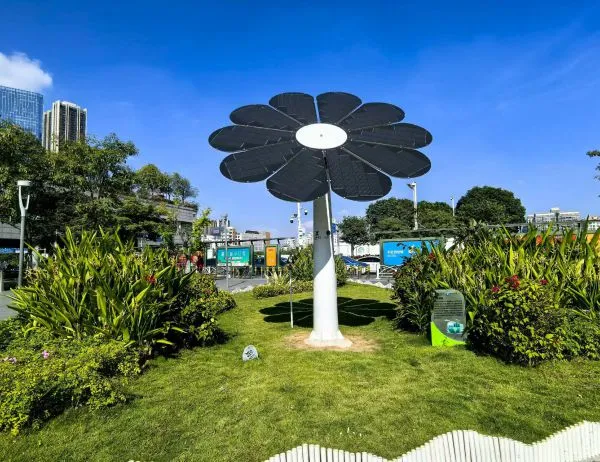 Read More
 -
The Solar Photovoltaic Sunflower: Where High-Tech Meets Sustainable Elegance
September 3, 2025In the quest for renewable energy solutions, innovation often focuses solely on efficiency—how to generate more power at a lower c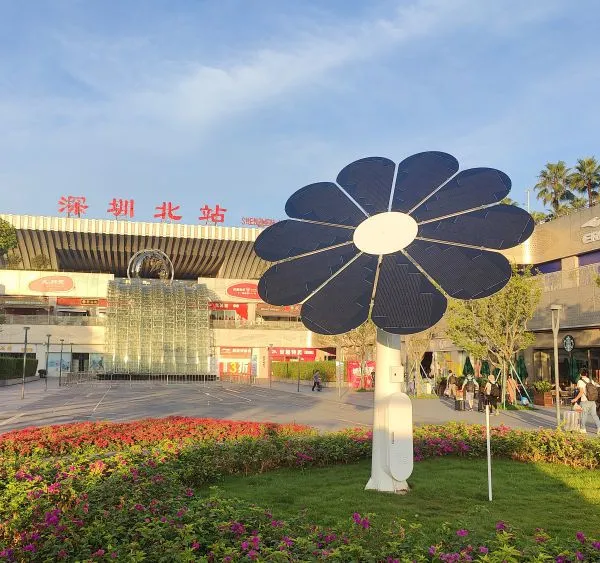 Read More

Contact Us
Recommended Products
-
 Wanze Energy Solar Sunflower 1200/2400W Dual-Axis Sun-Tracking Photovoltaic Power Generation SystemUS$ 7500 - 8700MOQ: 1 Set
 -
Wanze Energy 2000W Solar Sunflower Three-Axis Sun-Tracking Photovoltaic Power Generation SystemUS$ 11875 - 12200MOQ: 1 Set
-
Wanze Energy Smart Dual Axis Solar Tracker Carport 5.2kWp Integrated EV Charging Station With 10kWh Battery Storage for Commercial Parking LotsUS$ 3686.73 - 16958.93MOQ: 1 Unit
-
Wanze Energy Dual Axis Solar Tracking System Smart PV Tracker for Residential Commercial Utility Solar ProjectsUS$ 2570 - 2600MOQ: 1 Unit
-
Wanze Energy Solar Carport With EV Charging Station - Customizable PV Car Park Structure, Factory PriceUS$ 3300 - 4150MOQ: 1 Set